LBBOnline|你家会成为智能监狱吗?
2019-03-19 09:30

《现代广告》独家享有LBBOnline中文版权
你家会成为一个智能监狱吗?这只是我在阅读FutureToday Institute(以下简称FTI)《2019技术趋势报告》(2019Tech Trends Report)时想到的众多问题之一。
FTI创始人、未来学家AmyWebb在今年的西南偏南大会上发布了她的第12份年度技术趋势报告。这份长达381页的报告展示了当今世界技术的快速发展以及重要地位,在这个世界上,企业必须保持着高度的适应能力,这样才不会成为下一个宝丽来或者VHS。如果你没有时间去详细阅读这份有趣的报告,Amy解释了报告中一些突出的趋势,她会告诉你隐私是如何消亡的,你的房子是否比你想象中的还要聪明。
隐私已死
过去一年,面部识别技术和语音技术都取得了重大进展。因此才会有拜腾Byton智能电动汽车这样的产品出现在市面上,该汽车依靠人脸识别和语音技术启动,无需使用车钥匙。与此同时,人们还尝试在情感识别系统上能有所突破。情感识别系统可以帮助驾驶员在驾驶过程中控制愤怒或其他情绪,从而提高安全驾驶水平。情感智能识别系统将在新一代智能家居技术上有所应用。因此,下一个版本的Alexa很可能能够识别我们的行为和情感状态,从而提供个性化服务,更好地满足用户需求。
听上去很不错,对吧?但是考虑到这几年陆续出台的有关数据隐私方面的规定,整个社会究竟要如何处理那些和我们的行为、情绪、精神状态有关的个人数据呢?
FTI预测,可穿戴设备将持续增长。在不久的将来,智能鞋、智能腰带、智能瑜伽裤等多种智能产品都有可能会出现,这些产品将检测并记录用户的运动情况,以便将用户数据与基础数据进行比较,督促用户更好地完成运动。
然而,我们作为消费者需要问问自己:谁是真正拥有我们生物特征数据的人?谁负责保证这些数据的安全?
你的房子比你想象的还智能
看完第一个趋势,人们往往会问:为什么会发生这种事?这种事何时结束?据AmyWebb说,我们之所以看到日常生活中智能设备越来越多,是因为我们已经厌倦了与人交流,却越来越渴望和机器交谈。
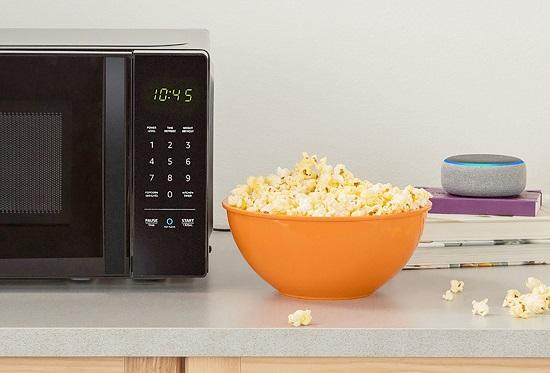
最好的例证就是亚马逊BasicsMicrowave微波炉的推出,它让消费者仅仅通过声音就能把食物加热,无需消费者亲自动手操作控制面板。对于消费者来说,这款产品并不是一款能颠覆行业游戏规则的产品;但对于亚马逊来说,BasicsMicrowave微波炉改变了一切。以前,亚马逊的数据洞察仅限于消费者的购买数据。现在,只要有人准备食物,亚马逊就可以访问你的人口统计信息,你吃什么、什么时候吃、你偏好什么品牌……亚马逊全都能知道。而且除了生物特征数据之外,亚马逊还可能最终了解人们吃某些食物时候的心情,以及哪些行为会促使人们去吃某种特定的食物。
此时,你的家已经在不断生成数据,智能设备会实时使用这些数据,为你完成任务,让你的生活变得更轻松。而且智能家居已经开始朝着下一个阶段发展:2018年,亚马逊与美国最大的建筑开发商Lennar合作,打造亚马逊智能房屋。安全、烹饪、照明、能源等一切都在智能系统上运行,让居住者的生活更加轻松美好。智能房屋的优点是,如果家里有什么东西坏了,你甚至不需要报告,所有智能系统就都已经知道了。
现在面临的问题是:一个为你提供各种帮助的智能房屋和一个没有任何隐私的家庭监狱之间的界限在哪里?我们再想象一下谷歌和亚马逊的健康医疗计划:你的智能手表发现你增重了几公斤,由此判定你的健康处于危险之中。为了让你过上更健康的生活,你需要节食。当你想用微波炉制作一份爆米花时,你的智能微波炉可能会拒绝启动;或者当你想开车上班时,你的车库门也会拒绝打开,由此迫使你骑自行车上班。
我们使用的新兴技术究竟会给我们带来什么样的结果?AmyWebb是这样预测的:
乐观场景(0%的几率出现)
“我们的设备可以跨平台工作,并且真正实现互通操作。我们的家很容易和谷歌、亚马逊、苹果打成一片,智能设备帮助我们节省时间和能源,我们的生活方式因此变得更好更健康。智能家居安全又有趣!”
中立场景(30%的几率出现)
“我们继续沿着智能家居这条路走下去,没有太大的变化。我们很快意识到,不能像改变移动操作系统那样改变家庭、办公室和学校的操作系统。我们很沮丧,花的钱比我们想象中的多,却没有什么其他选择的余地。”
灾难场景(70%的几率出现)
“我们生活在满是谷歌、亚马逊或苹果设备的家中。你不明白你是如何做出决定的。你的智能家庭会做出你不愿意做的决定。你的家就是一个智能监狱,没有逃离的余地。”
要记住的一点是,上述情景是以我们不采取任何行动为假设前提的。这意味着未来不是我们能预先决定的,但这同时也说明我们必须从现在起,决定我们在生活中愿意接纳多少收集个人数据的智能技术。
重视其他新趋势
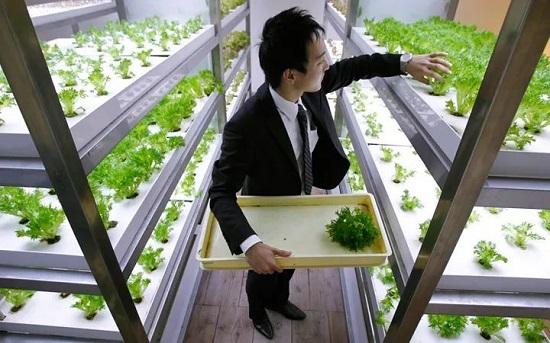
查看技术趋势报告的一个常见错误是,人们只关注那些对自己业务有直接影响的趋势。Amy举例说明,为什么要开阔视野,同时考虑与自己行业直接相关的行业的趋势。为什么沃尔玛要关心日本和中国的地下农场?因为这些农场已经被证明比传统的农业种植方法更有效,更能规避极端天气带来的负面影响。
农场问题是全球食品供应链变化的第一个指标。如果你把这条消息和亚马逊收购WholeFoods、推出实体杂货店的新闻结合起来看的话,就会发现未来商店里出售的食品,正是由商店旁边的地下农场培育出来的。由于运输成本被消除,也不会有极端天气的影响,食品的价格会变得更加便宜,这可能意味着大型连锁杂货店的消失。
如果亚马逊开始大规模利用地下农场,那么就不再需要长途运输货物了,这意味着传统农场和运输公司的灭亡。再进一步想,如果国家之间不再需要进口/出口农作物,那么亚马逊很可能会意外地重塑全球市场。
这就是为什么在阅读这份报告时,要仔细地观察所有行业趋势的原因。毕竟,在观察未来趋势时,考虑蝴蝶效应可能会给你带来一些有趣的见解。
结束语
阅读技术趋势报告时不仅要考虑哪些趋势会立刻影响到自己的业务,还要考虑全球趋势,因为你永远不知道未来这些趋势会以何种形式交织在一起。如果读完报告你什么都不记得,没关系,只要记住这一点就好了:随着世界变得越来越紧密,你几乎没有隐私可言,现在是时候考虑我们到底想要分享多少个人信息了。
原文发布于:
https://lbbonline.com/news/will-your-home-become-a-smart-prison/
LBB会员服务:
铜质:500英镑/年,无限次上传新闻稿,50部广告创意作品,含戛纳狮子国际创意节期间沙滩入场券
银质:1000英镑/年,由LBB团队协助无限次上传新闻稿,150部广告创意作品,含戛纳狮子国际创意节期间沙滩入场券
金质:1000英镑/年,由LBB团队协助无限次上传新闻稿,无限次上传广告创意作品,含戛纳狮子国际创意节期间沙滩入场券
广告:横幅广告1000英镑/年;地区文内2500广告/半年
加入会员:
https://lbbonline.com/accounts/register/plans/
新闻发布:newsdesk@lbbonline.com
中文咨询:maad_intlpr@maad.com.cn
以下为英文原文:
Will Your HomeBecome a Smart Prison?
Dept
This is just one ofmany questions that emerge when reading through the Future TodayInstitute’s 2019 Tech Trends Report. Futurist Amy Webb, the founderof the Future Today Institute (FTI), released her 12th annual TechTrends Report during the SXSW 2019 convention. The 381 pages of thereport symbolise high pace and importance of technologicaldevelopments in today’s world where corporations have to stay ontop of adaptation out of fear of becoming the next Polaroid or VHSbusiness case for future generations. However, if you don’t havethe time to read all of it (although it is very interesting) Amyexplains a few of the trends that stand out: how privacy is dead andwhether your house is smarter than you think.
Privacy is dead
Over the course ofthe last year, significant progress has been made within the field offacial and vocal technology. This has enabled the emergence ofproducts like the Byton car in China which works simply on face andvoice recognition, no key needed whatsoever. Likewise, patents havebeen sought on emotion recognition systems which could help driverscontrol road rage or other heightened emotions while driving toincrease safety levels. This new era of emotional intelligencerecognition is also reflected in SMART home technology. So a proposalfor the next version of Alexa is that she should be able to recogniseour behaviour and emotional state, which will then help herpersonalise the service offering better to the needs of the owner.
Sounds great, right?But considering the comprehensive regulations over the last couple ofyears in terms of data privacy (think GDPR) how are we as a societygoing to handle the data which is now going to be collected about ourbehaviour, emotions and mental state?
FTI also predictsthe continued growth of technological wearables. The near futureholds the potential for a wide range of 'smart' products like Smartshoes, smart belts and smart yoga pants which will detect and recordyour movements in order to compare it to baselines with the goal ofnudging you towards walking, sitting or yoga-ing better.
However, we asconsumers, individuals, parents, corporations, managers etc. need toask ourselves: who actually owns our biometric data? And who holdsthe responsibility to keep it safe?
Your house issmarter than you think
After hearing aboutthe first trend, one is prone to ask: why is this happening and wheredoes it end? According to Amy Webb, the reason why we are seeing anincrease of smarter equipment being used in everyday life is that wehave grown tired of talking to people but have an increasing desireto be able to speak to machines.
A great example ofthis is the launch of the Amazon Basics Microwave which allows you toheat up your food using solely your voice rather than using a manualcontrol panel. This doesn’t seem like a game-changer for theconsumer, but for Amazon as a business, this changes everything.Previously their data insights were limited to pre-purchase. Now,whenever someone prepares food, Amazon has access to your demographicinformation, what you ate, when you ate, brand preference and more.Adding to that the layer of biometric data from the first trend,Amazon may eventually also be able to understand which mood peopleare in when eating certain foods and what prior behaviour makespeople more prone to eat specific things.
Your home isalready, at this point, generating data which your smart devices useit in real-time to complete tasks and processes for you and justgenerally make your life easier. But the next phase is alreadystarting to emerge. In 2018, Amazon teamed up with LENNAR, thelargest homebuilder in the US, in order to build Amazon smart homes,where everything from security, cooking, lighting, energy etc. runson a smart service to make life easier and better for its occupants.And the best thing is if anything breaks you don’t even have toreport it because all the systems will already know.
The looming questionnow is: where is the line between a home that is helping you and ahome that is more like a prison without any privacy? Let’s take itone step further. Imagine initiatives such as Google healthcare,Google brain or Amazon health care plans. Your smartwatch hasdiscovered that our health is at risk because you’ve gained a fewextra kilos and decided that in order for you to live your best lifeyou need to go on a diet. When you then decide you want a batch ofpopcorn your microwave might refuse to start (for your own good ofcourse) or when you decide to drive to work your garage door mightrefuse to open forcing you to take the bike instead.
The questionremains: what is the outcome of our emerging smart technology? Thisis how Amy Webb foresees it:
Optimistic Scenario(0% chance)
“Our devices workacross platforms and are truly inter-operable. Our familiesintermingle with Google, Amazon and Apple easily. They help us savetime and energy. We are nudged into better, healthier lifestyles.Smart homes are safe and fun!”
Neutral Scenario(30% chance)
“We continue onthis path without big changes. We soon realise that we can’t changeour home/office/school operating system the same way we do our mobileOS’s (even that is hard). We’re frustrated, spending more moneythan we want and have very little choice.”
CatastrophicScenario (70% chance)
“We are living ineither a Google, Amazon or Apple home – and so is all of your data.You don’t understand how decisions are being made about and foryou. Your smart house makes decisions that you wouldn’t. Your homeis a smart prison and there is no escape.”
The important thingto remember is that the above scenarios and likelihoods are based onthe assumption that we don’t take action, and that means that thefuture isn’t predetermined for us. But it also means that we haveto start deciding how much personal data gathering and smarttechnology we are willing to accept in our lives.
Important AdjacentTrends
A common mistakewhen looking through the Tech Trends Report is that you tend to onlylook out for the trends that seem to have an immediate effect on yourbusiness. Amy exemplifies why you should broaden your horizons andconsider both trends directly related to you and those of otherindustries. Why should Walmart care about underground farms in Japanand China which have proven to be much more efficient thantraditional farming methods? Or a trend concerning extreme weatherphenomenon’s like firenadoes?
The above questionsare the first indicators of a change to the global food supply chain.When you combine it with the knowledge of Amazon’s acquisition ofWhole Foods and the launch of their new grocery store creates aplausible future outcome where food is grown from engineered seeds atindoor plant factories housed right next to said store. This meanscheaper groceries as transportation costs are eliminated and therewill also be no risk of extreme weather, such as firenadoes, hurtingthe production chain. That could then mean the end of large chaingrocery stores.
However, the aboveis only the first layer of adjacent risks from the outlined trend. IfAmazon begins to tap into the opportunity of underground farms on abig scale, then there would no longer be a need for long-distanceshipping, which means an end to both traditional farms and truckingcompanies. But it doesn’t stop there, if there is no longer a needfor import/exports of crops between nations then it could lead toAmazon accidentally reshaping global markets.
That’s why, whenreading reports like these, it’s important to take a closer look attrends across all sectors. After all, considering the butterflyeffect when looking at future trends may provide you with someinteresting insights.
Wrap-up
So, it is smart tonot only look at what will immediately affect your business but alsoglobal trends as you never know how those will end up intertwined inthe future. However, if you remember nothing else, keep this in mind:you have very little privacy as the world becomes more and moreconnected but now is the time to ponder how much we truly want toshare.
推荐
- 陈春花:AI时代,为什么“授权”需要被重新定义?
- 陈春花:AI时代,传统激励方式为何失灵?
- 每个药食同源产品如何引爆一个千万单品亿万品类?
- 移动开放式创新平台中新产品流行度的影响因素研究
- 网红营销驱动白牌品牌化的破圈路径——以比比赞为例
- 数智赋能下商业生态重构与产业变革
- B站上线播放页暂停广告,商业化与用户体验再平衡
- 陈春花:卓越领导者的自我造就之路
- 315 之后,被误读的 GEO:AI 营销不是操控 | 封面
- 从“粉底液将军”到审美纠偏:一场关于国产剧价值坐标的再校准
- 谢冬嫣出任2026戛纳幼狮中国评审团委员
- 马蜂窝发布《2026中国文旅新玩法报告》,引领行业通过新玩法
- “虐”遍全球中产的HYROX正在改写运动与品牌的关系 | 营
- 奔跑诠释初心,科技赋能城市——三七互娱四年护航芜马 为城市注
- 马伟杰出任2026戛纳幼狮中国评审团委员